Eger Castle
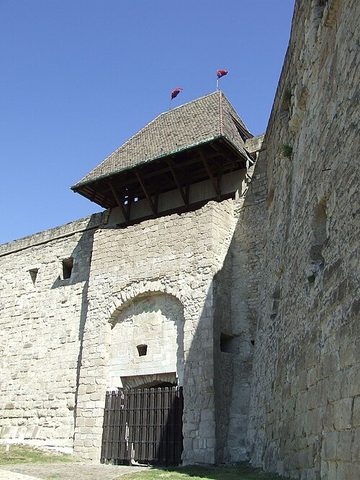
Eger Castle crowns a rocky hill in Eger, northern Hungary, rebuilt after Mongol invaders razed the original fortress in 1241. A Gothic palace was added in 1470, and Italian military architects modernized the defenses in the 16th century. Its defining moment came in 1552, when Captain Istvan Dobo led roughly 2,100–2,300 defenders against an Ottoman army of 35,000–40,000 — a legendary victory in Hungarian history.
The Turks captured the fort in 1596, and Austrian forces blew up half of it in 1701. Designated a National Memorial in 2014, it now holds a museum, wax museum, and a cellar system extending nearly 4 km beneath the city. The novelist Geza Gardonyi, whose 1901 novel Stars of Eger immortalized the siege, is buried inside the fortress walls.
Visitor information
- Location
- Hungary
- Country
- Hungary
- Tier
- C (Worth a visit if you're already in the area)
- Coordinates
- 47.9039, 20.3794
- Official site
- https://www.egrivar.hu
Frequently asked questions
- Where is Eger Castle?
- Eger Castle is in Hungary, Hungary (approximately 47.9039, 20.3794).
- Can you visit Eger Castle?
- Yes — Eger Castle is open to visitors; see the official site at https://www.egrivar.hu for hours and tickets.
- What tier is Eger Castle on the Castle Atlas?
- Eger Castle is rated C tier on the Castle Atlas — Worth a visit if you're already in the area.
- What can you see at Eger Castle?
- Eger Castle crowns a rocky hill in Eger, northern Hungary, rebuilt after Mongol invaders razed the original fortress in 1241. A Gothic palace was added in 1470, and Italian military architects modernized the defenses in the 16th century. Its defining moment came in 1552, when Captain Istvan Dobo led roughly 2,100–2,300 defenders against an Ottoman army of 35,000–40,000 — a legendary victory in Hungarian history.