Turaida Castle
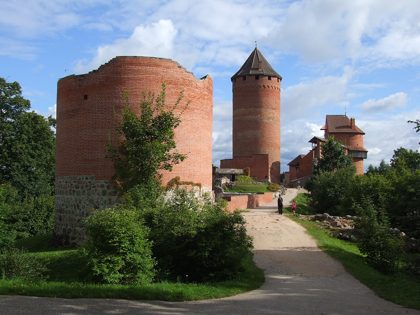
Turaida Castle stands on the right bank of the Gauja River in Sigulda, Latvia. Founded in 1214 by Bishop Albert of Riga on the site of a burned Livonian wooden stronghold, it became the administrative centre of the Archbishopric of Riga until secularisation in 1566. The name derives from the Livonian word for "Thor's garden."
Fire destroyed the castle in 1776 and it fell into ruin; systematic archaeological excavations began in 1976, with restoration following. It is regarded as the most archaeologically well-studied medieval castle in the Baltic states. Today it anchors the Turaida Museum Reserve inside Gauja National Park, and visitors can climb the main tower for panoramic views over the Gauja valley.
Visitor information
- Location
- Turaida
- Country
- Latvia
- Tier
- C (Worth a visit if you're already in the area)
- Coordinates
- 57.1822, 24.8503
Frequently asked questions
- Where is Turaida Castle?
- Turaida Castle is in Turaida, Latvia (approximately 57.1822, 24.8503).
- Can you visit Turaida Castle?
- Yes — Turaida Castle is a recognised tourist attraction in Latvia.
- What tier is Turaida Castle on the Castle Atlas?
- Turaida Castle is rated C tier on the Castle Atlas — Worth a visit if you're already in the area.
- What can you see at Turaida Castle?
- Turaida Castle stands on the right bank of the Gauja River in Sigulda, Latvia. Founded in 1214 by Bishop Albert of Riga on the site of a burned Livonian wooden stronghold, it became the administrative centre of the Archbishopric of Riga until secularisation in 1566. The name derives from the Livonian word for "Thor's garden."