Bran Castle
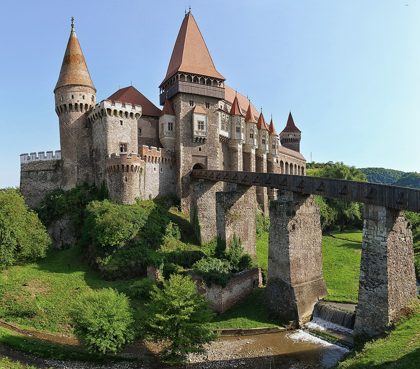
Bran Castle occupies a clifftop in the Rucar-Bran Corridor of Transylvania, about 25 kilometres southwest of Brasov. A privilege issued by King Louis I of Hungary in 1377 granted the Saxons of Brasov the right to build a stone fortress here, which defended against Ottoman raids and served as a customs post between Transylvania and Wallachia.
After World War I the Saxons of Brasov gave the castle to the Romanian royal house; Queen Marie renovated it into a beloved retreat. Seized by the communist regime in 1948, it was returned to Archduke Dominic of Austria and his family in 2006 and now operates as a private museum of furniture, weapons, and armour. Despite worldwide marketing as Dracula's Castle, no historical evidence links Vlad the Impaler or Bram Stoker to the site.
Visitor information
- Location
- Bran, Transylvania
- Country
- Romania
- Tier
- A (Magnificent, well worth a dedicated trip)
- Coordinates
- 45.515, 25.3672
- Official site
- http://www.bran-castle.com
Frequently asked questions
- Where is Bran Castle?
- Bran Castle is in Bran, Transylvania, Romania (approximately 45.515, 25.3672).
- Can you visit Bran Castle?
- Yes — Bran Castle is open to visitors; see the official site at http://www.bran-castle.com for hours and tickets.
- What tier is Bran Castle on the Castle Atlas?
- Bran Castle is rated A tier on the Castle Atlas — Magnificent, well worth a dedicated trip.
- What can you see at Bran Castle?
- Bran Castle occupies a clifftop in the Rucar-Bran Corridor of Transylvania, about 25 kilometres southwest of Brasov. A privilege issued by King Louis I of Hungary in 1377 granted the Saxons of Brasov the right to build a stone fortress here, which defended against Ottoman raids and served as a customs post between Transylvania and Wallachia.