Lichtenstein Castle
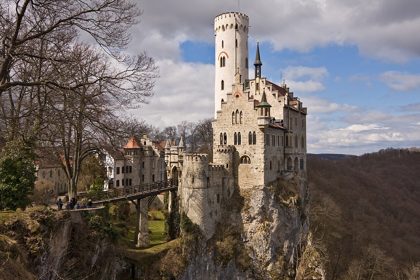
Lichtenstein Castle clings to the Swabian Alb escarpment at 817 metres in Baden-Württemberg, some 250 metres above the Echaz valley below. Despite its medieval appearance, it is a 19th-century creation: Count Wilhelm von Württemberg commissioned architect Carl Alexander Heideloff to build it in Gothic Revival style between 1840 and 1842, inspired by Wilhelm Hauff's 1826 Romantic novel Lichtenstein.
The ruins of a genuine medieval predecessor, Burg Alt-Lichtenstein, survive about 500 metres away and date to around 1100. Privately owned by the Dukes of Urach, it is open via guided tours and houses the collection of historic weapons, armour, and medieval art assembled by its founder.
Visitor information
- Location
- Honau, Baden-Wurttemberg
- Country
- Germany
- Tier
- B (Great castles)
- Coordinates
- 48.4067, 9.2581
- Official site
- http://www.schloss-lichtenstein.de/
Frequently asked questions
- Where is Lichtenstein Castle?
- Lichtenstein Castle is in Honau, Baden-Wurttemberg, Germany (approximately 48.4067, 9.2581).
- Can you visit Lichtenstein Castle?
- Yes — Lichtenstein Castle is open to visitors; see the official site at http://www.schloss-lichtenstein.de/ for hours and tickets.
- What tier is Lichtenstein Castle on the Castle Atlas?
- Lichtenstein Castle is rated B tier on the Castle Atlas — Great castles.
- What can you see at Lichtenstein Castle?
- Lichtenstein Castle clings to the Swabian Alb escarpment at 817 metres in Baden-Württemberg, some 250 metres above the Echaz valley below. Despite its medieval appearance, it is a 19th-century creation: Count Wilhelm von Württemberg commissioned architect Carl Alexander Heideloff to build it in Gothic Revival style between 1840 and 1842, inspired by Wilhelm Hauff's 1826 Romantic novel Lichtenstein.