Chateau de Chambord
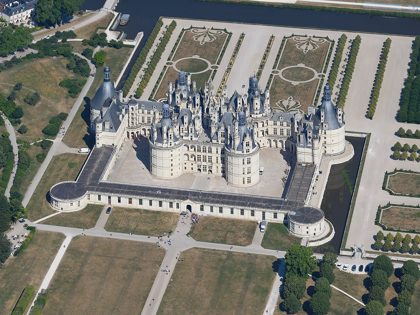
Château de Chambord is the largest of the Loire Valley châteaux and the supreme example of French Renaissance architecture. Commissioned by King Francis I as a hunting lodge in 1519, it took nearly three decades to complete, producing 440 rooms, 282 fireplaces, and 84 staircases within a 52-square-kilometre walled forest. Leonardo da Vinci is believed to have influenced the design, particularly the iconic double-helix staircase allowing two people to ascend simultaneously without meeting. Francis I spent barely seven weeks there in his lifetime.
The French state has owned it since 1930, and it is open to the public. During World War II it sheltered masterworks evacuated from the Louvre, including the Mona Lisa.
Visitor information
- Location
- Chambord, Loire Valley
- Country
- France
- Tier
- A (Magnificent, well worth a dedicated trip)
- Coordinates
- 47.6161, 1.5172
- Official site
- http://www.chambord.org
Frequently asked questions
- Where is Chateau de Chambord?
- Chateau de Chambord is in Chambord, Loire Valley, France (approximately 47.6161, 1.5172).
- Can you visit Chateau de Chambord?
- Yes — Chateau de Chambord is open to visitors; see the official site at http://www.chambord.org for hours and tickets.
- What tier is Chateau de Chambord on the Castle Atlas?
- Chateau de Chambord is rated A tier on the Castle Atlas — Magnificent, well worth a dedicated trip.
- What can you see at Chateau de Chambord?
- Château de Chambord is the largest of the Loire Valley châteaux and the supreme example of French Renaissance architecture. Commissioned by King Francis I as a hunting lodge in 1519, it took nearly three decades to complete, producing 440 rooms, 282 fireplaces, and 84 staircases within a 52-square-kilometre walled forest. Leonardo da Vinci is believed to have influenced the design, particularly the iconic double-helix staircase allowing two people to ascend simultaneously without meeting. Francis I spent barely seven weeks there in his lifetime.