Château de Brissac
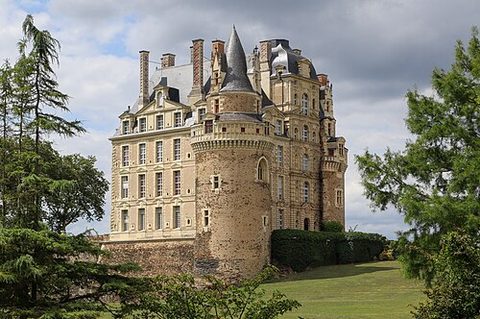
Château de Brissac stands about 15 km south of Angers in Maine-et-Loire. Foulques Nerra, Count of Anjou, raised the first fortress in the 11th century. Pierre de Brézé acquired it in 1435; the Wars of Religion left it in ruin. Charles II de Cossé, granted the ducal title in 1611, hired architect Jacques Corbineau to reconstruct it as France's tallest château: seven stories, 204 rooms, two surviving 15th-century towers in a baroque facade.
The family has owned it since 1502; the 14th Duke lives there and opens it to tours, stays, and an annual festival. In 1939–40 it sheltered artworks from Versailles and Parisian museums.
Visitor information
- Location
- France
- Country
- France
- Tier
- A (Magnificent, well worth a dedicated trip)
- Coordinates
- 47.3531, -0.4497
- Official site
- http://www.chateau-brissac.fr/
Frequently asked questions
- Where is Château de Brissac?
- Château de Brissac is in France, France (approximately 47.3531, -0.4497).
- Can you visit Château de Brissac?
- Yes — Château de Brissac is open to visitors; see the official site at http://www.chateau-brissac.fr/ for hours and tickets.
- What tier is Château de Brissac on the Castle Atlas?
- Château de Brissac is rated A tier on the Castle Atlas — Magnificent, well worth a dedicated trip.
- What can you see at Château de Brissac?
- Château de Brissac stands about 15 km south of Angers in Maine-et-Loire. Foulques Nerra, Count of Anjou, raised the first fortress in the 11th century. Pierre de Brézé acquired it in 1435; the Wars of Religion left it in ruin. Charles II de Cossé, granted the ducal title in 1611, hired architect Jacques Corbineau to reconstruct it as France's tallest château: seven stories, 204 rooms, two surviving 15th-century towers in a baroque facade.