Château de Montsoreau
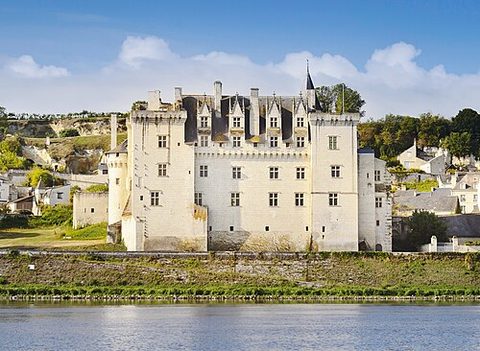
Château de Montsoreau stands directly on the Loire riverbank at the confluence with the Vienne, in Maine-et-Loire, France. Jean II de Chambes, councillor and chamberlain to Charles VII, razed an earlier fortress and built the present structure between 1450 and 1460, blending Flamboyant Gothic with early Renaissance elements in one of the Loire Valley's clearest examples of that architectural transition.
Listed as a French monument historique and part of the UNESCO Loire Valley World Heritage Site, it now houses a museum of contemporary art featuring Art & Language conceptual works. J.M.W. Turner captured the castle in watercolor during his 1826 Loire tour; that sheet is now held at the Ashmolean Museum in Oxford.
Visitor information
- Location
- France
- Country
- France
- Tier
- B (Great castles)
- Coordinates
- 47.2156, 0.0622
- Official site
- https://www.chateau-montsoreau.com/
Frequently asked questions
- Where is Château de Montsoreau?
- Château de Montsoreau is in France, France (approximately 47.2156, 0.0622).
- Can you visit Château de Montsoreau?
- Yes — Château de Montsoreau is open to visitors; see the official site at https://www.chateau-montsoreau.com/ for hours and tickets.
- What tier is Château de Montsoreau on the Castle Atlas?
- Château de Montsoreau is rated B tier on the Castle Atlas — Great castles.
- What can you see at Château de Montsoreau?
- Château de Montsoreau stands directly on the Loire riverbank at the confluence with the Vienne, in Maine-et-Loire, France. Jean II de Chambes, councillor and chamberlain to Charles VII, razed an earlier fortress and built the present structure between 1450 and 1460, blending Flamboyant Gothic with early Renaissance elements in one of the Loire Valley's clearest examples of that architectural transition.