Malmö Castle
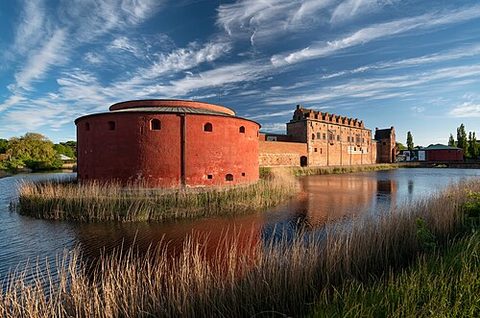
Malmö Castle (Malmöhus) stands on a small island in central Malmö, Sweden, and is the oldest preserved Renaissance castle in the Nordic region. Built 1526–1539 under Frederick I of Denmark to control the strategically vital Øresund Sound, it passed to Sweden after the 1658 Treaty of Roskilde. A notable prisoner was James Hepburn, Earl of Bothwell and third husband of Mary Queen of Scots, held here 1567–1573. From 1822 to 1914 the castle served as a prison.
The museum relocated to the castle in 1937; today it houses the Malmö Museum and Malmö Art Museum, open to the public.
Visitor information
- Location
- Sweden
- Country
- Sweden
- Tier
- C (Worth a visit if you're already in the area)
- Coordinates
- 55.605, 12.9875
- Official site
- http://www.burgenwelt.org/schweden/malmo/object.php
Frequently asked questions
- Where is Malmö Castle?
- Malmö Castle is in Sweden, Sweden (approximately 55.605, 12.9875).
- Can you visit Malmö Castle?
- Yes — Malmö Castle is open to visitors; see the official site at http://www.burgenwelt.org/schweden/malmo/object.php for hours and tickets.
- What tier is Malmö Castle on the Castle Atlas?
- Malmö Castle is rated C tier on the Castle Atlas — Worth a visit if you're already in the area.
- What can you see at Malmö Castle?
- Malmö Castle (Malmöhus) stands on a small island in central Malmö, Sweden, and is the oldest preserved Renaissance castle in the Nordic region. Built 1526–1539 under Frederick I of Denmark to control the strategically vital Øresund Sound, it passed to Sweden after the 1658 Treaty of Roskilde. A notable prisoner was James Hepburn, Earl of Bothwell and third husband of Mary Queen of Scots, held here 1567–1573. From 1822 to 1914 the castle served as a prison.