Läckö Castle
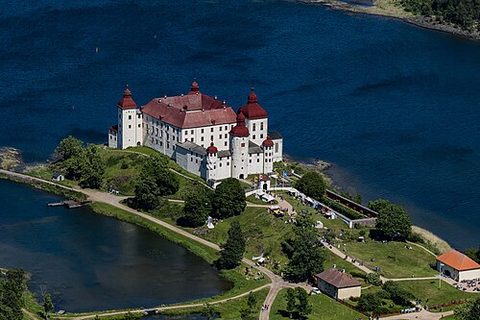
Läckö Castle rises from a rocky promontory on Kållandsö island in Lake Vänern, Sweden, first mentioned in 1294 when Bishop Brynolf Algotsson of the Skara diocese used it as a seat. The castle passed to the Swedish crown after the Reformation in 1527 and reached its grandest form from 1654 under Count Magnus Gabriel De la Gardie, who added a fourth floor and filled the 248-room Baroque palace with art and courtly splendour.
It was returned to the crown in 1681 under Karl XI's reduction and has been managed since 1993 by the National Property Board as a national monument. Open to the public May through September, it hosts the Läckö Castle Opera in its inner courtyard each July.
Visitor information
- Location
- Sweden
- Country
- Sweden
- Tier
- B (Great castles)
- Coordinates
- 58.675, 13.22
- Official site
- https://www.lackoslott.se
Frequently asked questions
- Where is Läckö Castle?
- Läckö Castle is in Sweden, Sweden (approximately 58.675, 13.22).
- Can you visit Läckö Castle?
- Yes — Läckö Castle is open to visitors; see the official site at https://www.lackoslott.se for hours and tickets.
- What tier is Läckö Castle on the Castle Atlas?
- Läckö Castle is rated B tier on the Castle Atlas — Great castles.
- What can you see at Läckö Castle?
- Läckö Castle rises from a rocky promontory on Kållandsö island in Lake Vänern, Sweden, first mentioned in 1294 when Bishop Brynolf Algotsson of the Skara diocese used it as a seat. The castle passed to the Swedish crown after the Reformation in 1527 and reached its grandest form from 1654 under Count Magnus Gabriel De la Gardie, who added a fourth floor and filled the 248-room Baroque palace with art and courtly splendour.