Linlithgow Palace
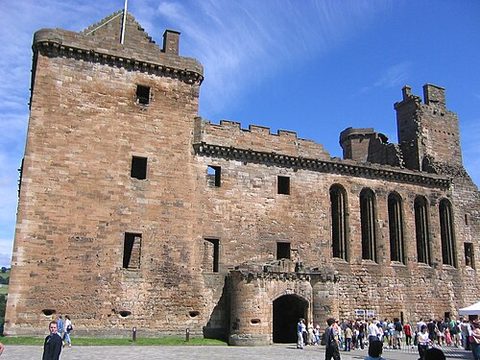
Linlithgow Palace stands on a promontory beside Linlithgow Loch in West Lothian, Scotland, 15 miles west of Edinburgh. A royal manor occupied the site from the 12th century, but after a fire destroyed much of the town in 1424, James I transformed it into a grand stone palace. James V later added an elaborate courtyard fountain and outer gateway, making it one of Scotland's finest Renaissance residences. Mary, Queen of Scots was born here in December 1542. After the 1603 Union of the Crowns ended regular royal patronage, the palace fell into disuse; a fire in January 1746, accidentally set when government troops were billeted there, destroyed the roof and interiors.
The roofless ruin is managed by Historic Environment Scotland and is open to visitors year-round.
Visitor information
- Location
- United Kingdom
- Country
- United Kingdom
- Tier
- C (Worth a visit if you're already in the area)
- Coordinates
- 55.9785, -3.601
- Official site
- https://www.historicenvironment.scot/visit-a-place/places/linlithgow-palace/overview/
Frequently asked questions
- Where is Linlithgow Palace?
- Linlithgow Palace is in United Kingdom, United Kingdom (approximately 55.9785, -3.601).
- Can you visit Linlithgow Palace?
- Yes — Linlithgow Palace is open to visitors; see the official site at https://www.historicenvironment.scot/visit-a-place/places/linlithgow-palace/overview/ for hours and tickets.
- What tier is Linlithgow Palace on the Castle Atlas?
- Linlithgow Palace is rated C tier on the Castle Atlas — Worth a visit if you're already in the area.
- What can you see at Linlithgow Palace?
- Linlithgow Palace stands on a promontory beside Linlithgow Loch in West Lothian, Scotland, 15 miles west of Edinburgh. A royal manor occupied the site from the 12th century, but after a fire destroyed much of the town in 1424, James I transformed it into a grand stone palace. James V later added an elaborate courtyard fountain and outer gateway, making it one of Scotland's finest Renaissance residences. Mary, Queen of Scots was born here in December 1542. After the 1603 Union of the Crowns ended regular royal patronage, the palace fell into disuse; a fire in January 1746, accidentally set when government troops were billeted there, destroyed the roof and interiors.
All castles in the United Kingdom · Explore the full Castle Atlas →