Wawel Royal Castle
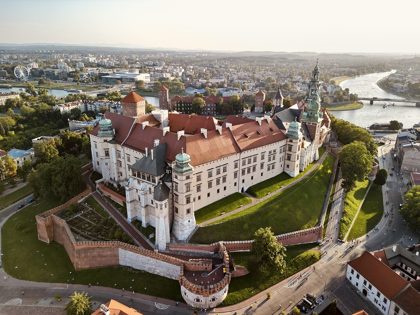
Perched on a limestone hill above the Vistula River in Krakow, Wawel Royal Castle traces its origins to the 10th century; King Casimir III the Great rebuilt it in Gothic style in the 14th century, and Sigismund I oversaw a Renaissance transformation from 1504 to 1536 led by Italian architects, creating the elegant tiered arcaded courtyard. It served as the seat of Polish kings until 1596; the adjacent cathedral hosted royal coronations and burials.
Swedish occupation (1655–1657), fires, and Austrian conversion into barracks from 1795 caused severe damage. Reopened as a museum in 1930, it houses royal apartments, the crown treasury, arms and armour, and Ottoman tents. A UNESCO World Heritage Site since 1978, it is Poland's most visited art museum.
Visitor information
- Location
- Krakow
- Country
- Poland
- Tier
- B (Great castles)
- Coordinates
- 50.0539, 19.9347
- Official site
- https://wawel.krakow.pl/
Frequently asked questions
- Where is Wawel Royal Castle?
- Wawel Royal Castle is in Krakow, Poland (approximately 50.0539, 19.9347).
- Can you visit Wawel Royal Castle?
- Yes — Wawel Royal Castle is open to visitors; see the official site at https://wawel.krakow.pl/ for hours and tickets.
- What tier is Wawel Royal Castle on the Castle Atlas?
- Wawel Royal Castle is rated B tier on the Castle Atlas — Great castles.
- What can you see at Wawel Royal Castle?
- Perched on a limestone hill above the Vistula River in Krakow, Wawel Royal Castle traces its origins to the 10th century; King Casimir III the Great rebuilt it in Gothic style in the 14th century, and Sigismund I oversaw a Renaissance transformation from 1504 to 1536 led by Italian architects, creating the elegant tiered arcaded courtyard. It served as the seat of Polish kings until 1596; the adjacent cathedral hosted royal coronations and burials.